

Whole Body Thermometry Testing Process
What to Expect
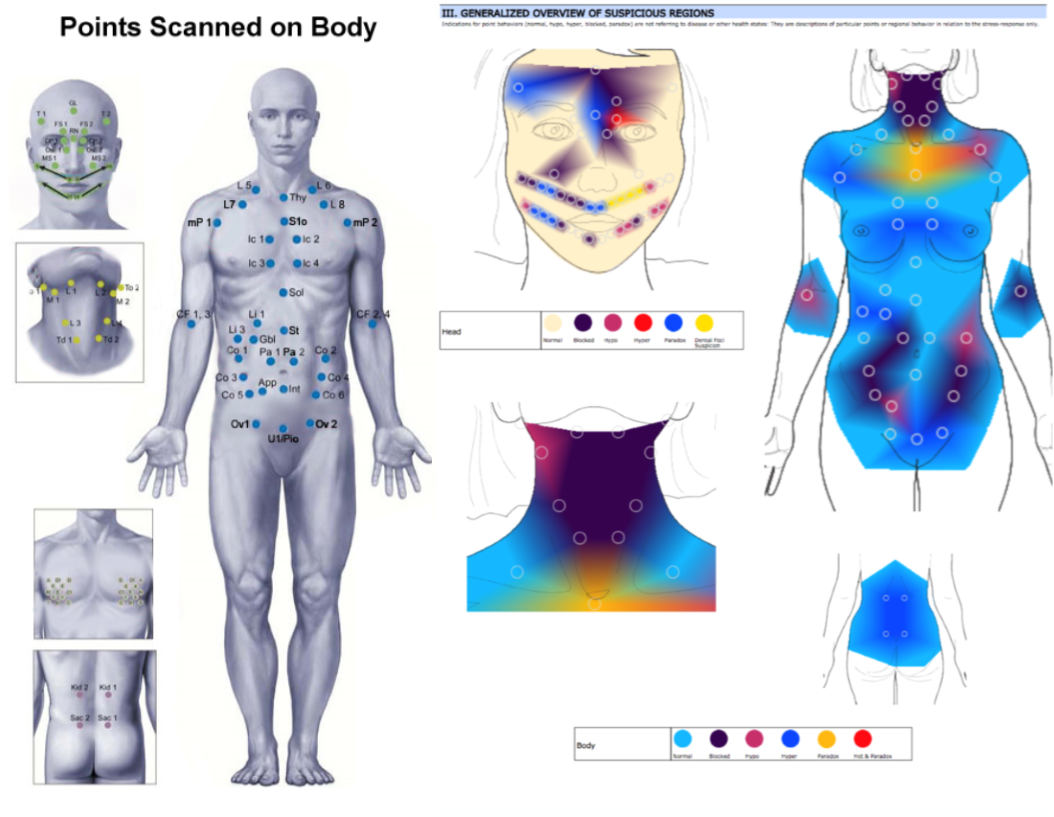
Whole Body Regulation Thermometry is performed in a comfortable, temperature-controlled room by one of our Certified Thermographic Technicians. During the assessment, temperature measurements are obtained from approximately 90–120 locations on the body before and after a controlled cooling period. The computerized report is later reviewed and interpreted by one of our doctors as one component of your comprehensive Integrative Medicine evaluation. .
How Does the Testing Process Work?
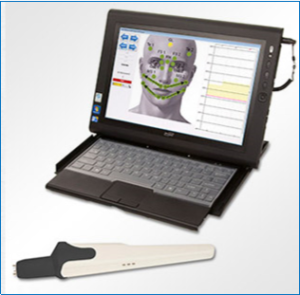
When you arrive, you will spend approximately fifteen minutes becoming acclimated to the temperature-controlled testing room. This allows your body to adjust to the room environment before the assessment begins.
The first series of temperature measurements is then obtained from approximately 90–120 locations on the body. This portion of the assessment takes approximately ten minutes.
You will then remain in the testing room for an additional ten-minute cooling period while your body responds naturally to the cooler room temperature.
Following the cooling period, a second series of measurements is completed over approximately ten minutes. The temperature changes are analyzed by specialized software, and a computerized report is generated for physician interpretation.
The entire appointment generally takes between 30 and 45 minutes.
During Your Appointment
Whole Body Regulation Thermometry is performed in a private room maintained at approximately 70°F (21°C).
A Certified Thermographic Technician performs the assessment. During the first set of measurements, you will stand while wearing a robe, long pants or a long skirt, and socks. For the cooling period and second series of measurements, you will wear a spa wrap around your waist while standing comfortably in the testing room.
After Your Assessment
Following your appointment, the computerized report is reviewed and interpreted by one of our doctors with advanced training in Whole Body Regulation Thermometry.
The thermometry findings are reviewed together with your health history, examination findings, laboratory studies, diagnostic imaging, and other clinical information. After considering all of your clinical information, we develop recommendations based on your health care needs and goals.